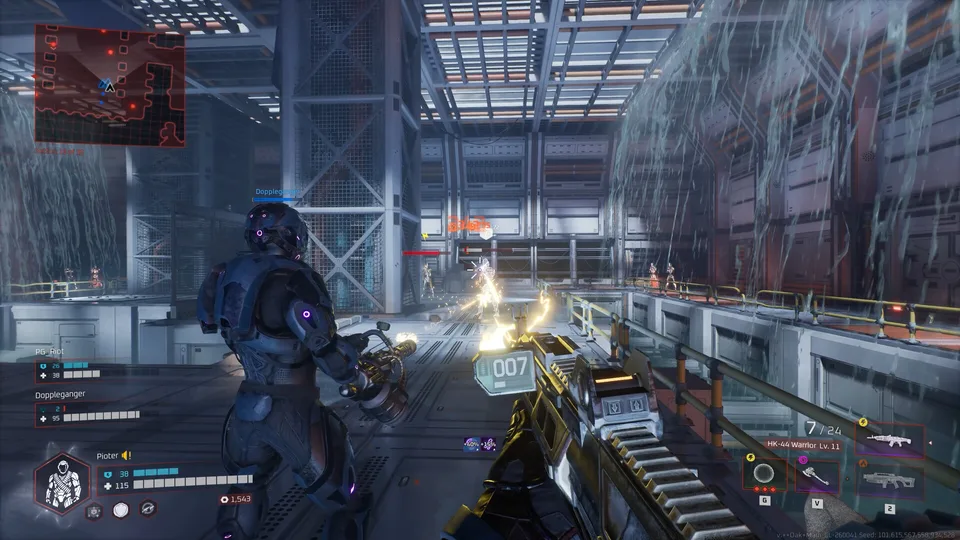
Deadzone Rogue 2 Abilities: A Guide to Builds, Perks, and Progression
Master the ability system in Deadzone Rogue 2. Learn how to optimize your roguelite loadouts, manage perks, and coordinate with your squad for maximum impact.
Published: Deadzone Rogue 2 Wiki Editorial Team
Table of Contents
Understanding Ability Mechanics in Deadzone Rogue 2
In Deadzone Rogue 2, the roguelite FPS from Prophecy Games, your ability to survive the hostile environments of a fallen Earth depends less on a static class system and more on the dynamic build you cultivate during each run. Unlike traditional shooters where you might select a character class with fixed skills, this game emphasizes emergent gameplay. You start with a basic toolkit and expand your capabilities through loot, perk drops, and strategic upgrades found as you progress through biomes.
The core loop involves navigating areas, fighting hordes of machines, and managing a fluctuating loadout. Because this is a roguelite, the "best" ability set is rarely static; it is defined by the RNG (random number generation) of the perks you encounter and how well they align with your current weaponry. Understanding how to weigh these choices against your current build is the primary skill gap separating novice players from those who can consistently clear boss encounters.
How Ability Progression and Perks Work
Progression in Deadzone Rogue 2 is granular. Rather than leveling up a single skill tree, you collect perks and ability upgrades that provide immediate modifiers to your character's performance. These choices are offered during your run, often after clearing rooms or defeating waves of enemies.
Identify Your Primary Weapon: Before selecting perks, assess your current primary weapon. If you are using a high-fire-rate SMG, prioritize reload speed or ammo capacity.
Evaluate Perk Synergies: Look for perks that complement each other. For example, if you have a perk that boosts damage after a perfect reload, pair it with a weapon that rewards precise timing.
Manage Active Abilities: Use active items, such as Lures, to manipulate enemy positioning. These are distinct from passive perks and often require strategic cooldown management.
Adapt to Drops: Be prepared to pivot. If the game offers a "Mythic" tier upgrade that changes your playstyle, consider discarding older, less effective perks to accommodate the new build.
The game forces you to make trade-offs. You might be offered a choice between increasing your crit damage or increasing your magazine size. Community reports from the demo suggest that focusing on a single, coherent build—such as a "crit-focused" build or a "robotics/tech" build—often yields better results than attempting to be a generalist.
Core Ability Archetypes and Synergies
While perks are randomized, they tend to fall into thematic archetypes. Based on gameplay observations, players can typically categorize their builds into specific styles. Recognizing these categories early in a run helps in making faster, more informed decisions when the game presents you with upgrade options.
Lures & Crowd Control
Lures are essential for survivability. They distract enemies, allowing you to reposition or focus fire on high-priority targets. Advanced players often use these to group enemies together before unleashing area-of-effect (AoE) damage.
Nano & Tech-Based Builds
Nano-based perks often focus on utility or sustained damage. These can include effects that track enemies, provide shields, or create environmental hazards. They are excellent for players who prefer a "set it and forget it" playstyle where the tech does the heavy lifting.
Robotics & Fire Rate
These perks focus on output. If you enjoy high-intensity combat, look for robotics-related upgrades that boost your fire rate or provide automated support bots. These synergy-heavy builds often require you to stay aggressive to keep your buffs active.
Elemental Damage
Elemental perks (e.g., freezing, shock) provide crowd control and damage over time. These are particularly effective against bosses or heavily armored units, as they can stun or slow targets, creating windows of opportunity for your team.
Co-op Dynamics and Ability Strategy
With the introduction of drop-in co-op for up to three players, Deadzone Rogue 2 adds a layer of tactical depth. In a solo run, you are responsible for both damage output and crowd control. In a co-op setting, you can specialize.
One player might focus on a "tank" or "aggro" build, utilizing Lures and high-shield perks to draw fire, while the other players focus on high-crit, long-range damage. Communication is vital here. If one player is building for elemental damage, others might want to pick perks that amplify that damage type rather than spreading their own damage types too thin.
Tip
Coordinate Your Roles: If playing with friends, avoid stacking the same active abilities unless you are intentionally trying to "spam" a specific effect. Instead, have one player focus on utility (shield regeneration, healing drones) while others focus on raw DPS (crit damage, fire rate).
Tips for Optimizing Your Loadout
Optimizing your build is about understanding the "why" behind every perk choice. It is easy to be distracted by high-rarity items, but a "rare" item that fits your current weapon synergy is almost always better than a "mythic" item that conflicts with your playstyle.
Prioritize Reload Speed: In a fast-paced FPS, downtime is death. Perks that reduce reload time or provide buffs during reloads (like "perfect reload" bonuses) are universally strong.
Don't Ignore Movement: Movement speed is a defensive stat. Being able to dodge projectiles, especially in boss rooms, is often more valuable than a marginal increase in weapon damage.
Watch Your Health Bar: If you notice your health is consistently red or low, stop prioritizing damage perks and start looking for shield regeneration or damage mitigation upgrades.
Experiment with Hip-firing: Many perks in the game reward specific firing styles, such as hip-firing for consecutive hits. If you find a perk that gives a massive damage boost for hip-firing, adjust your playstyle to match it.
Common Pitfalls in Build Planning
A frequent mistake new players make is attempting to force a specific "meta" build despite the RNG of the game. If you are hunting for a specific weapon or perk that refuses to drop, you must adapt to what the game gives you. Holding onto underpowered gear in hopes of finding a specific synergy often leads to early death in later, more difficult biomes.
Warning
Avoid Over-Specialization: While synergy is good, being 100% reliant on one specific ability or weapon type can be dangerous. If you encounter an enemy type that is resistant to your primary damage source, you will be left helpless. Always keep a backup plan, such as a secondary weapon with a different damage type or a utility ability.
FAQ: Frequently Asked Questions
Can I reset my abilities or perks during a run?
Currently, the game structure is based on roguelite progression, meaning your choices are permanent for that specific run. You cannot "respec" your character once a perk is selected, so choose carefully based on your current loadout and the challenges ahead.
Do abilities carry over between runs?
In Deadzone Rogue 2, your runs are independent. You start each mission fresh. While you may unlock meta-progression or account-wide upgrades (as is common in the genre), the specific active abilities and perks you use in a match are determined by the drops you receive during that session.
How do I know which perks are best for my weapon?
Read the perk descriptions carefully. Look for keywords like "reload," "crit," "hip-fire," or "spread." If a perk mentions "damage falloff," it is intended for long-range weapons like snipers. If it mentions "spread" or "fire rate," it is likely intended for SMGs or shotguns. Match the perk's intended use case to your weapon's archetype.