Deadzone Rogue 2 Playtest Insights: Mechanics, Classes, and Performance
Explore the latest Deadzone Rogue 2 playtest updates, including new class systems, skill tree mechanics, and performance improvements for this upcoming FPS roguelite.
Published: Deadzone Rogue 2 Wiki Editorial Team
Video Guide
Deadzone Rogue 2 - Official Playtest TrailerTable of Contents
Exploring the Deadzone Rogue 2 Playtest Experience
The transition from Deadzone Rogue to its successor has been marked by a focus on refining the core FPS roguelite formula. While the original game established a solid foundation with its fast-paced combat and loot-driven progression, the Deadzone Rogue 2 playtest reveals a developer intent on adding depth through player agency and tactical variety. Unlike the first title, which relied heavily on randomized drops, this sequel introduces structured character development.
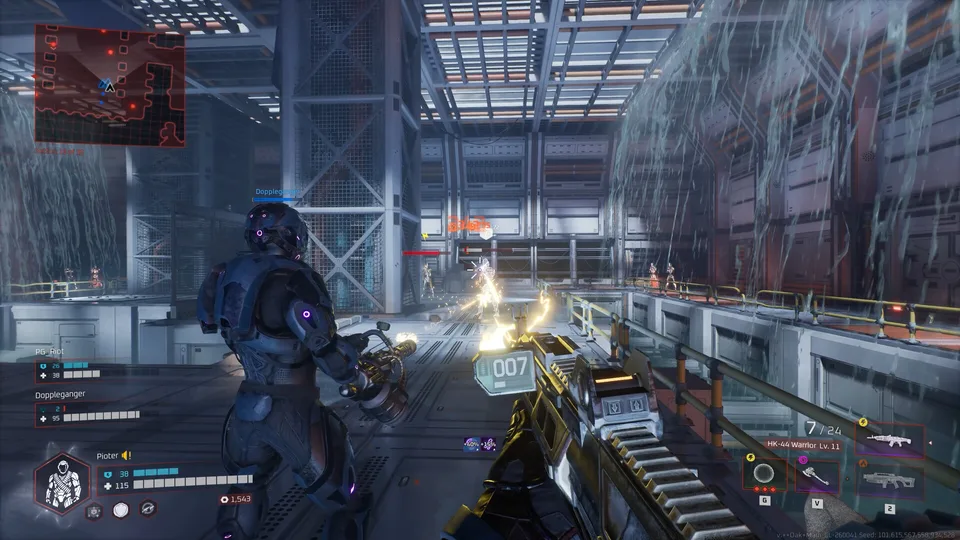
According to community reports, the game currently supports both solo play and three-player co-op, with server browser functionality being a key testing component. The most notable shift for returning fans is the introduction of classes (or specialized suits), which fundamentally change how you interact with the battlefield. Each class offers a unique ability, such as crowd-control taunts or defensive shockwaves, encouraging players to coordinate their roles rather than simply relying on individual firepower.
Mastering the New Build Systems
One of the most significant changes in Deadzone Rogue 2 is the move toward a more deliberate character-building process. In the previous game, players were largely at the mercy of RNG when it came to upgrades. In this sequel, you now earn skill points as you level up, allowing you to imprint specific choices into your "codex."
Tactical Skill Tree
The new skill tree is divided into offense, defense, and utility slots. This allows you to specialize your character as a tank, healer, or pure DPS unit, moving away from the "pick-up-and-pray" upgrade style of the first game.
Class-Based Perks
Each class comes with a unique perk pool tailored to its specific ability. This ensures that your choice of character significantly influences your build path, as certain perks are now designed to synergize with your class's primary function.
This change is designed to reward strategic thinking. By combining these skill trees with new gear mechanics—where armor stats are tied to your chosen perks—the game shifts the focus toward long-term build crafting. If you pick up gear dropped by a teammate, it will not carry the same statistical boosts as your own, which encourages players to prioritize loot that specifically benefits their current build configuration.
Performance and Technical Improvements
A common criticism of the first Deadzone Rogue was its demanding performance overhead. Based on early feedback from the playtest, Prophecy Games appears to have addressed these concerns head-on. The sequel feels significantly more fluid, with high frame rates and a robust suite of graphic options that make the experience feel polished despite its early state.
Tip
If you encounter minor bugs, such as enemy ragdolls failing to despawn, remember that this is a testing environment. The developers are actively gathering data on balance and stability, and many features—including weapon skins, lore logs, and achievements—are intentionally omitted from the current build.
The game’s technical optimization is a promising sign for its future. By focusing on "snappy" and responsive combat, the developers have ensured that the transition between intense firefights and menu-based build management feels seamless. The integration of 30+ elemental weapons also adds a layer of visual and mechanical complexity that performs well under the current engine build.
Combat Mechanics and Enemy Variety
The combat loop in Deadzone Rogue 2 maintains the frantic energy of the original while introducing new tactical requirements. Boss encounters are no longer just "bullet sponges"; many now feature specific weak points that only open during certain attack patterns. This forces players to observe boss behaviors rather than simply holding down the trigger.
Enemy Diversity: You will face a mix of returning threats, like leeches and droids, alongside new challenges such as rocket-launching Segways and charging dogs.
Mission Structure: The game has moved away from the linear Zone 1-4 progression, instead tasking players with defending Earth by traveling to different countries for varied mission types, including timed rooms and melee-focused encounters.
Co-op Synergy: While current synergy systems are still being refined, the potential for co-op play is bolstered by the new class system, allowing for clearer role-based team compositions.
FAQ: Frequently Asked Questions
Is the Deadzone Rogue 2 demo the same as the full game?
No. The demo is a specific build intended for testing technology and gathering feedback. It does not include all final features, such as weapon skins, achievements, or the full synergy system.
Can I play the Deadzone Rogue 2 playtest now?
The playtest events are time-limited. For the most up-to-date information on availability, check the official Steam store page.
What platforms is the demo available on?
According to recent announcements, the demo has been made available on PC, PS5, and Xbox.