Understanding the Deadzone Rogue 2 Playtest and Demo
If you are looking to jump into the action of Prophecy Games' latest title, it is important to distinguish between the limited-time playtest events and the publicly available demo. While the playtest is a recurring method for developers to gather feedback, the demo serves as a static, accessible version for players to try the core mechanics.
As of October 2026, the specific playtest mentioned in recent community discussions has concluded. However, this does not mean you cannot get a taste of the game. The developers have released a dedicated demo on Steam, which allows both solo players and groups of up to three to experience the fast-paced, roguelite FPS combat that defines the series. Unlike the full game, which is still in development, the demo provides a controlled environment to test weapons, character builds, and the new class-based system.
How to Follow the Development and Future Tests
The best way to ensure you don't miss the next opportunity to participate in a playtest is through the official Steam page. Because game development is iterative, developers often use the Steam news hub to announce sudden playtests or beta periods.
Gameplay Mechanics: What to Expect in the Experience
Based on player experiences from recent tests, Deadzone Rogue 2 builds upon the successful foundation of its predecessor while introducing deeper customization. If you are preparing for future playtests, understanding these core systems will give you a significant head start.
The New Class and Skill System
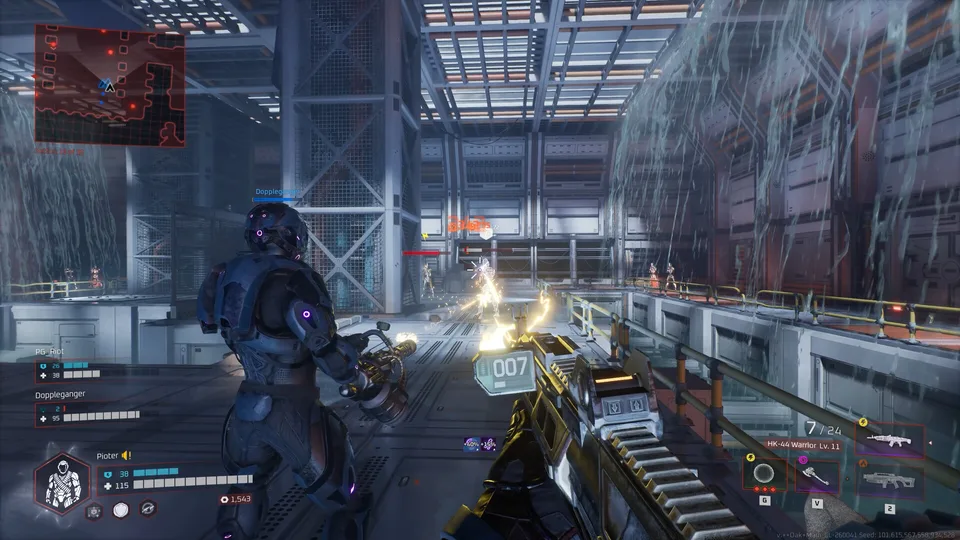
The sequel moves away from the "pick up whatever you find" approach of the first game, offering players more control. You can now select from three distinct classes or suits. Each provides a unique ability, such as a defensive forward-facing shockwave, a taunt that acts like a lure, or offensive capabilities like grenade setups.
Furthermore, the new skill tree system allows for deeper specialization. You earn skill points as you level up, which you can imprint into your codex across offense, defense, and utility slots. This allows you to lean into specific archetypes like a tank, a healer, or a high-damage DPS player, making co-op sessions more strategic.
Combat and Optimization
A major takeaway from recent testing is the improved performance. Many players who found the original game demanding on their hardware have noted that the sequel feels significantly snappier and better optimized. The combat loop remains focused on fast-paced encounters, but the addition of specific boss mechanics—where weak points open during attack patterns rather than just serving as "bullet sponges"—adds a layer of depth that rewards tactical play.
Why Player Feedback Matters for Deadzone Rogue 2
The development cycle for this title is highly transparent, with Prophecy Games actively using feedback from playtests to adjust weapon balance and progression. As highlighted by early impressions, the transition from the first game to the second has been rapid—only about a year after the 1.0 launch of the original.
Because of this fast turnaround, developers are looking for input on whether the "roguelite" formula feels distinct enough. If you get into a future playtest, pay attention to the synergy systems and class customization options. Your feedback in the community hub or through official developer surveys helps shape how these systems evolve before the official launch.