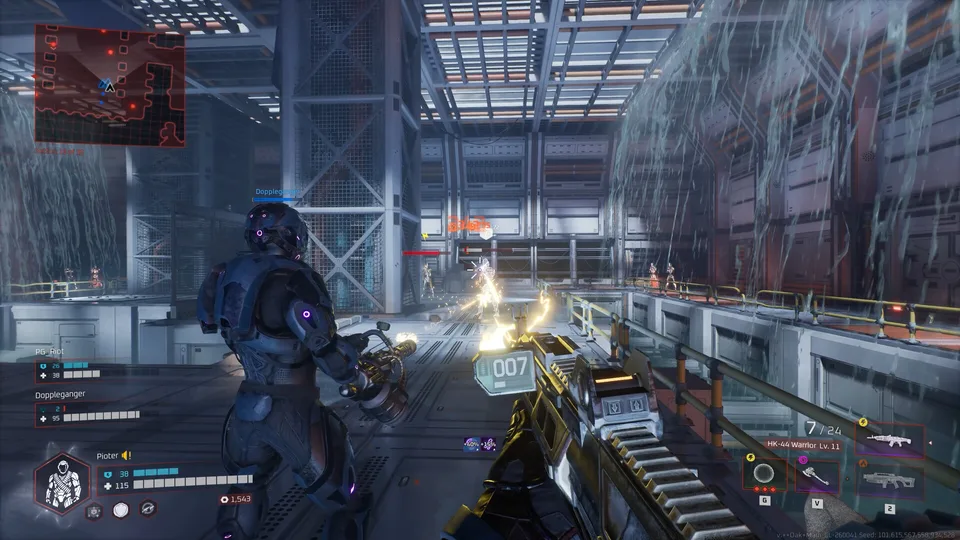
Deadzone Rogue 2 vs 1: Key Differences and Evolution Explained
Explore the evolution from Deadzone Rogue to its sequel, Deadzone Rogue 2. We break down the new class system, skill trees, and performance improvements.
Published: Deadzone Rogue 2 Wiki Editorial Team
Table of Contents
Comparing the Foundations: Deadzone Rogue 2 vs 1
When comparing Deadzone Rogue 2 to its predecessor, the most immediate shift is the transition from a purely randomized loot-focused loop to a more structured character-building experience. While the core "FPS roguelite" DNA remains—placing players in increasingly difficult combat encounters on a fallen Earth—the sequel adds layers of depth that address common criticisms of the first title.
According to community reports from the recent playtest, the developers have successfully maintained the addictive, fast-paced combat while introducing systems that allow for genuine build specialization. In the first game, players were largely at the mercy of whatever upgrades the game provided. In Deadzone Rogue 2, the introduction of classes and a dedicated skill tree means you are no longer just a survivor; you are a build-crafter.
The New Class and Ability System
One of the most significant departures in the sequel is the implementation of a class-based system. While the developer has noted that these may function more like "suits" or archetypes, they fundamentally change how you approach combat.
Standard Assault
Focused on balanced combat, providing grenades and increased gun damage for reliable DPS output.
Defensive Ward
Prioritizes survivability with a forward-facing shockwave ability, perfect for controlling crowds and protecting your squad.
Taunt Specialist
Features a decoy ability similar to a classic "monkey bomb," drawing enemy aggression to a specific point before exploding, which is invaluable in 3-player co-op.
By selecting these classes, you aren't just choosing a visual skin; you are choosing a unique perk pool. This ensures that your specific character build feels distinct from your teammates, pushing the game toward a more tactical co-op experience.
Skill Tree and Build Customization
The skill tree in Deadzone Rogue 2 offers a level of agency that was largely absent in the first title. Players now earn skill points as they level up, which can be imprinted into a Codex. This system is divided into three primary categories:
Offense: Tailored for players who want to maximize DPS output.
Defense: Focused on damage mitigation and survivability.
Utility: Designed for those who want to support the team or manipulate the battlefield.
Unlike the first game, where you simply took what you found, this branching tree allows you to specialize. You can now reliably build toward a "healer" or "tank" archetype, or double down on specific weapon types. Community feedback indicates that this change makes each run feel like a deliberate progression rather than a random gamble.
Performance and Technical Optimization
A frequent criticism of the original Deadzone Rogue was its heavy toll on PC hardware. Fortunately, technical feedback from the recent playtest suggests that Deadzone Rogue 2 is a massive step forward in this regard.
Players have reported that the game feels significantly more "snappy, fast, and fluid." Even in its early playtest state, the optimization allows for high frame rates and a variety of graphic options that were missing or unoptimized in the first entry. For a fast-paced FPS, this technical stability is critical, as it ensures that your performance is dictated by your reflexes rather than your hardware's ability to handle the chaos.
Weapons and Tactical Looting
The loot system has also received a thoughtful overhaul. While the core loop of picking up weapons and augments remains, the way you interact with gear has been refined to simplify decision-making.
Active Reload Perks: New perks now reward timing, providing damage boosts for successful reloads.
Elemental Synergy: Weapons can now feature elemental augments like Magnetic (ammo return) or Nano (healing), creating distinct combat styles.
Stat Emblems: Each piece of armor now carries emblems tied to your chosen perks, making it easier to see how a piece of gear fits into your overall build.
By tying gear stats to your selected perks, the game removes the "analysis paralysis" of comparing raw numbers. Instead, you are encouraged to look for the gear that synergizes with the build you are currently crafting.
FAQ: What to Expect Next
Is the synergy system from the first game returning?
While it was not present in the initial playtest, developers have noted that they are still working on balancing and content. It remains a feature fans are keeping a close eye on.
Is Deadzone Rogue 2 a direct continuation of the story?
Yes, the game continues the story of Talon 13-10, even featuring a "previously on" style recap for those who played the first game.
When will the full game be available?
The release date is currently "to be determined," but a more polished demo is planned for the coming months. Keep an eye on the official Steam store page for the most accurate updates.
In summary, Deadzone Rogue 2 is shaping up to be a more polished, tactical, and refined version of the formula that made the first game popular. By focusing on player agency through classes and skill trees, Prophecy Games is moving the series in a direction that rewards strategic thinking as much as it rewards quick trigger fingers.