Is Deadzone Rogue 2 Worth Buying? A Tactical Breakdown
Discover if Deadzone Rogue 2 is worth your investment. We analyze the latest playtest mechanics, co-op potential, and developer history to help you decide.
Published: Deadzone Rogue 2 Wiki Editorial Team
Table of Contents
Assessing the Value of Deadzone Rogue 2
Deciding whether a game is worth buying often hinges on the evolution of its mechanics and the developer’s commitment to the player experience. With the announcement of Deadzone Rogue 2, many fans of the original title are weighing the value of this sequel. Currently, the game is in development, meaning there is no final price point or release date beyond "coming soon." However, based on recent playtests, we can evaluate the direction Prophecy Games is taking to determine if it justifies your time and future investment.
The most immediate way to assess if the game suits your playstyle is by utilizing the official Deadzone Rogue 2 Steam page. Since the game is not yet released, the best indicator of its quality is the free demo, which allows players to experience the core combat loop, character progression, and co-op functionality firsthand.
What Has Changed: The Sequel’s Evolution
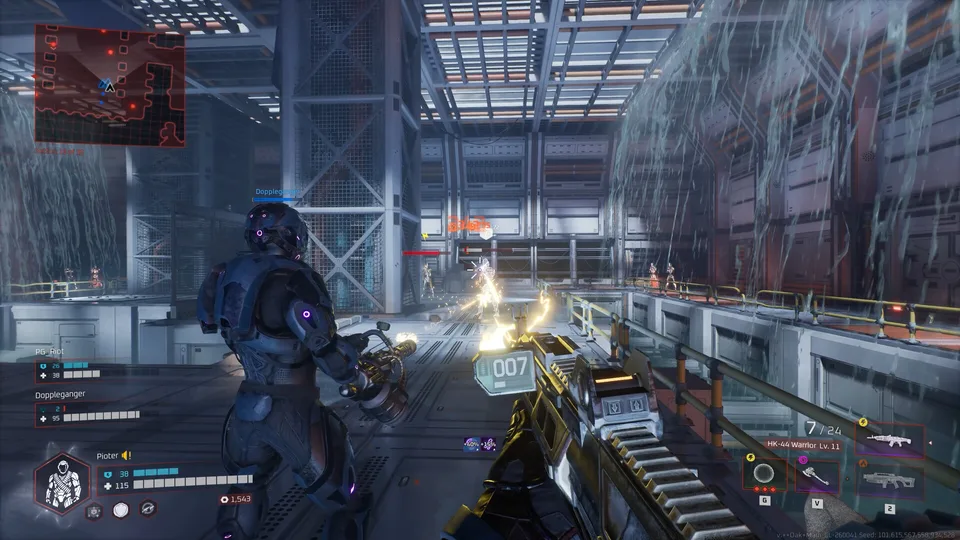
The transition from the first Deadzone Rogue to the sequel is marked by a shift toward deeper build customization. While the original was a straightforward FPS roguelite, Deadzone Rogue 2 introduces a class-based system that significantly alters how you approach combat encounters.
Core Class Mechanics
Standard Class: Focused on grenade utility and increased raw gun damage.
Defender Class: Features a forward-facing shockwave ability to mitigate incoming pressure.
Tactical/Taunt Class: Utilizes a distraction device to pull enemy aggression, creating openings for your team.
According to community feedback, these classes are not merely cosmetic; they influence your perk pool and how you interact with the environment. This shift encourages players to think more strategically about their role within a 3-player co-op squad, rather than simply relying on random loot drops.
Performance and Technical Stability
One of the most significant criticisms leveled against the first game was its heavy performance toll on hardware. Early reports from the Deadzone Rogue 2 playtest indicate a marked improvement in optimization. Players have noted that the game feels snappier and more fluid, even during intense combat sequences involving multiple enemies.
System Optimization: The game runs significantly smoother than its predecessor, with better frame rates on comparable hardware.
Graphics Options: The current build includes a robust set of settings to tailor the experience to your PC’s capabilities.
Bug Awareness: As this is an early build, some issues—such as persistent enemy ragdolls—are still present, but the core engine appears stable.
If you struggled with performance in the first game, the technical strides made here suggest that the sequel is being built with a more modern, efficient framework.
The Skill Tree and Build Customization
Unlike the previous title, which was largely dependent on the random upgrades the game provided, the sequel offers a more granular skill tree. You now earn skill points as you level up, allowing you to imprint abilities into your "Codex."
This system allows for specialization. You can lean into a "tank" build, a "healer" archetype, or maximize your DPS output. This level of control is a major selling point for those who enjoy theory-crafting and want their character to feel unique each run. The integration of "Emblems" on armor—which tie directly into your chosen perks—further simplifies loot decisions, moving the focus away from "bigger numbers" toward "better synergies."
Addressing Developer History and Expectations
When discussing if a game is "worth" buying, one must consider the developer’s track record. Prophecy Games faced skepticism from the community due to the relatively short turnaround between the release of the first game and the announcement of the sequel.
Tip
Always check the official update history on Steam to see the frequency of developer communication. Regular, transparent updates are a strong sign of a developer's commitment to the product's long-term health.
While some players voiced concerns about the first game being abandoned, the quality of the Deadzone Rogue 2 playtest has helped restore confidence. The developers appear to be refining the core loop that made the first game popular while addressing the most common community requests for depth and performance.
FAQ: Frequently Asked Questions
Is the progress in the demo carried over to the full game?
Generally, playtest and demo progress is separate from the full release. It is best to treat the demo as a testing ground for mechanics rather than a head start on your final save file.
Does the sequel require playing the first game?
While there is a narrative recap provided, the game is designed as a standalone experience. You do not need to have played the original to enjoy the combat or the roguelite systems.
Is there solo play?
Yes, the game is fully playable as a solo experience, though it is balanced to accommodate up to 3-player co-op.